
Tired of bags that rip or get soaked in the rain? Choosing the wrong fabric means your gear is at risk. Oxford fabric offers a durable, reliable solution.
Yes, Oxford fabric is an excellent choice for bags. It's a strong, woven material, usually made from polyester or nylon, known for its durability and water resistance. The special basketweave pattern gives it great resistance to tears and abrasion, making it perfect for backpacks, luggage, and totes.
So, you can see that Oxford fabric is a solid choice. But you're probably wondering how it compares to all the other materials you see on bag labels. The world of fabrics can be confusing. To really understand why Oxford cloth is so trusted, it helps to look at the other options out there. I've been in this business for over 20 years at our factory, and I've seen which materials last and which ones don't. Let's break it down so you can make a smart choice.
What type of fabric is best for bags?
A great bag is more than just its looks. It has to perform. Picking the wrong fabric can mean your bag fails right when you need it the most.
The "best" fabric really depends on what you'll use the bag for. For a daily backpack, a 600D Polyester Oxford works great. For rugged outdoor gear, a high-denier Ripstop Nylon Oxford is better. The key is to match the fabric's properties to its job.
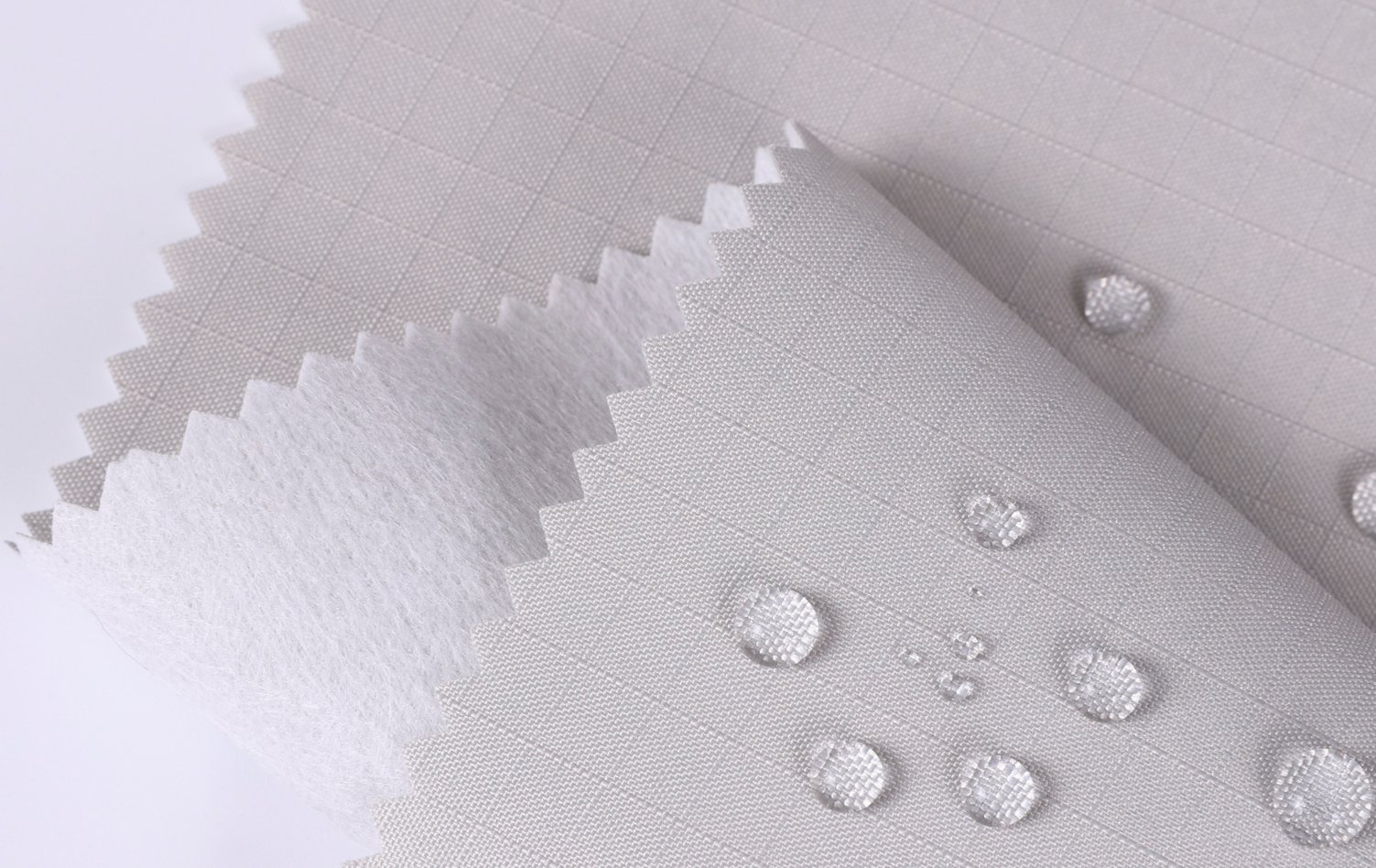
To really figure out the best fabric, you need to think about two things: the material itself and the fabric's thickness. This is the kind of stuff we talk through with our clients every day.
Understanding 'Denier' (D)
You've probably seen a number followed by a "D" on a bag's tag, like "600D Polyester". That 'D' stands for denier. It's a simple way to measure the thickness and weight of the fiber. A lower denier number, like 210D, means the fabric is lighter and thinner. A higher number, like 1000D, means it's thick, heavy, and very tough. The denier is the foundation of the bag's strength.
Matching Fabric to Function
The right fabric is all about the right job. You wouldn't use a lightweight fabric for a heavy-duty travel bag. Here’s a simple chart we use as a starting point when guiding brands on customization.
| Bag Type | Recommended Fabric | Why It Works |
|---|---|---|
| Kids' School Backpack | 300D - 600D Polyester Oxford | Lightweight, holds vibrant prints, and is cost-effective. |
| Daily Commuter Backpack | 600D - 900D Nylon or Polyester Oxford | A good balance of durability, weight, and everyday resilience. |
| Hiking / Outdoor Bag | 420D - 1000D Ripstop Nylon Oxford | High tear resistance, durable, and handles rough conditions. |
| Luggage & Gear Bags | 1000D+ Ballistic Nylon Oxford | Maximum abrasion resistance for rough handling and travel. |
Choosing the right combination of material, denier, and weave is what makes a bag successful.
How does Oxford fabric compare to other bag materials?
Confused by all the fabric names like Nylon, Polyester, and Ripstop? Choosing the wrong one can lead to a bag that falls apart. Let’s clear things up for you.
Oxford fabric, which we make from nylon or polyester, creates a perfect balance of durability, feel, and cost. Nylon is stronger but pricier. Polyester is cheaper and holds color well but is less durable. The Oxford weave elevates these materials, offering a superior final product.
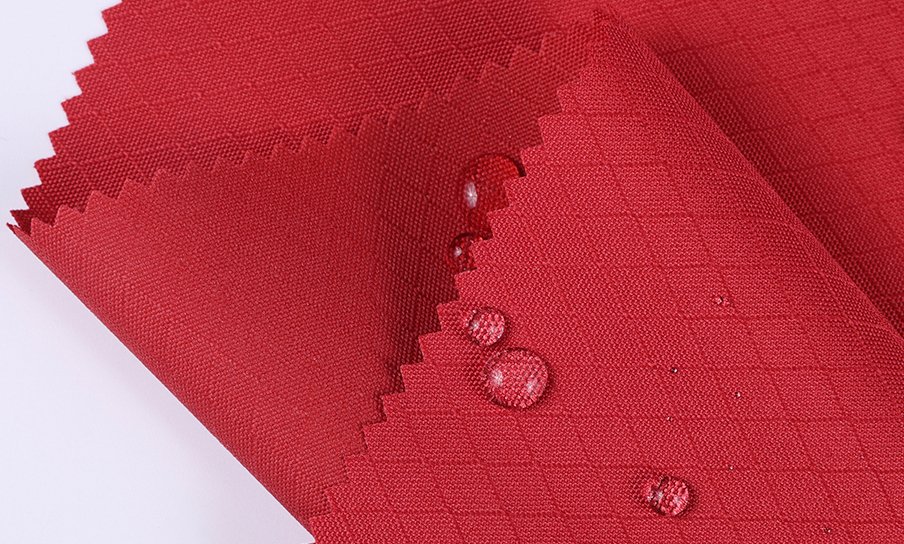
The material used to weave a fabric is just as important as the weave itself. Oxford is a type of weave, but the threads used are usually nylon or polyester. Let's look at each one.
Nylon - The Strong Contender
Nylon has taken over the bag industry. Cotton is pretty much gone. Nylon is a synthetic fiber, basically. It's plastic that's melted and spun into threads. The best part is its strength and water resistance. The downside is that a simple hole can turn into a big tear. That’s where Ripstop nylon comes in. It has a special grid of thicker threads woven into the fabric. If you get a puncture, the rip stops at the grid line. It also helps with water resistance. We use high-denier nylon to create our toughest Oxford fabrics, especially for clients making heavy-duty outdoor gear that needs to be reliable.
Polyester - The Colorful Choice
Polyester is the other big name in backpack fabrics. You will often hear it called pack cloth. It’s affordable and holds color and prints exceptionally well. That’s why you see it so often on kids' school bags. The trade-off is durability. It doesn't last as long as nylon. Generally, budget-friendly bags are polyester, and pricier ones are nylon. However, a well-made polyester Oxford, especially with the right coating, can still be very strong and reliable. We often create custom polyester Oxford for brands that need bright, vibrant colors without sacrificing performance.
How do coatings make bags waterproof?
You bought a "waterproof" bag, but your things still got wet. Not all waterproof claims are equal. The coating behind the fabric makes all the difference for true protection.
Waterproof coatings like PU (polyurethane) or TPU (thermoplastic polyurethane) are applied to the back of a fabric. They create a solid barrier against water. PU is common, but TPU is a more durable, flexible, and eco-friendly premium option for high-performance gear.
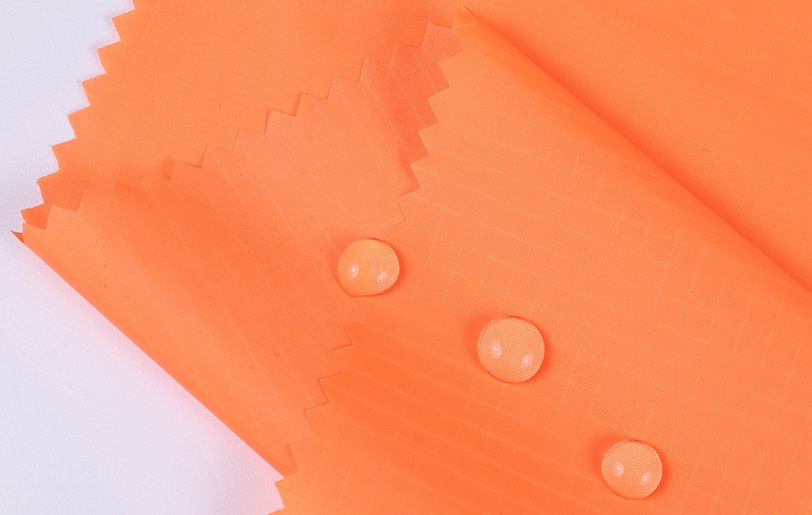
The fabric itself provides water resistance, but the coating is what makes it truly waterproof. It's a critical layer that we specialize in applying at our factory.
The PU Coating Standard
PU, or polyurethane, is the most common waterproof coating you'll find. It's a liquid coating that is spread over the back of the fabric to seal it. It works well, but it does have weaknesses. High heat, continued moisture, and harsh chemicals can cause it to break down over time. I always tell people to dry their bags properly after they get wet and store them in a cool, dry place. If you do that, a good PU coating can easily last 15 years or more. At our facility, we can apply multiple layers of PU to meet specific waterproof ratings, and we test every single batch to guarantee it.
TPU - The Premium Upgrade
TPU is the fancier cousin to PU. It stands for thermoplastic polyurethane. It's still a polyurethane, but it's processed as a solid film that's bonded to the fabric. This process makes it far more durable and resistant to abrasion. It's also more flexible in cold weather and doesn't break down from exposure to moisture or chemicals like PU can. A huge benefit is that it's better for the environment. Many of our clients are switching to TPU coatings to meet global certifications like GRS and to offer PFAS-free products. It's a key part of future-proofing a product line, and we're proud to provide certified TPU options.
Conclusion
Oxford fabric is a top choice for bags. Its strength comes from the basketweave style, the quality of the nylon or polyester used, and the right waterproof coating.