
I once bought a cheap bag that fell apart in a month. I felt so frustrated with a torn strap and a useless bag. I knew there had to be a better material out there.
Oxford fabric is an excellent choice for bags. It offers a great balance of strength, light weight, and water resistance1. This makes it a reliable and versatile material for everything from daily backpacks to professional luggage.

My journey with fabrics started from pure frustration with products that didn't last. I wanted to understand what made a bag truly durable without being too heavy or expensive. After years of working directly with textiles, I've learned what to look for. Now, I want to share my insights to help you make a better choice for your products.
What makes Oxford fabric a top choice for bags?
I remember seeing a friend’s backpack split open during a weekend trip. She was so annoyed and stuck with her gear falling out. That moment taught me that the material is the most important part of a bag.
Oxford fabric is typically made from nylon2 or polyester3 using a special basketweave technique4. This weave gives it superior strength and a high resistance to abrasion and tearing. It's a dependable material perfect for bags that need to withstand daily use.
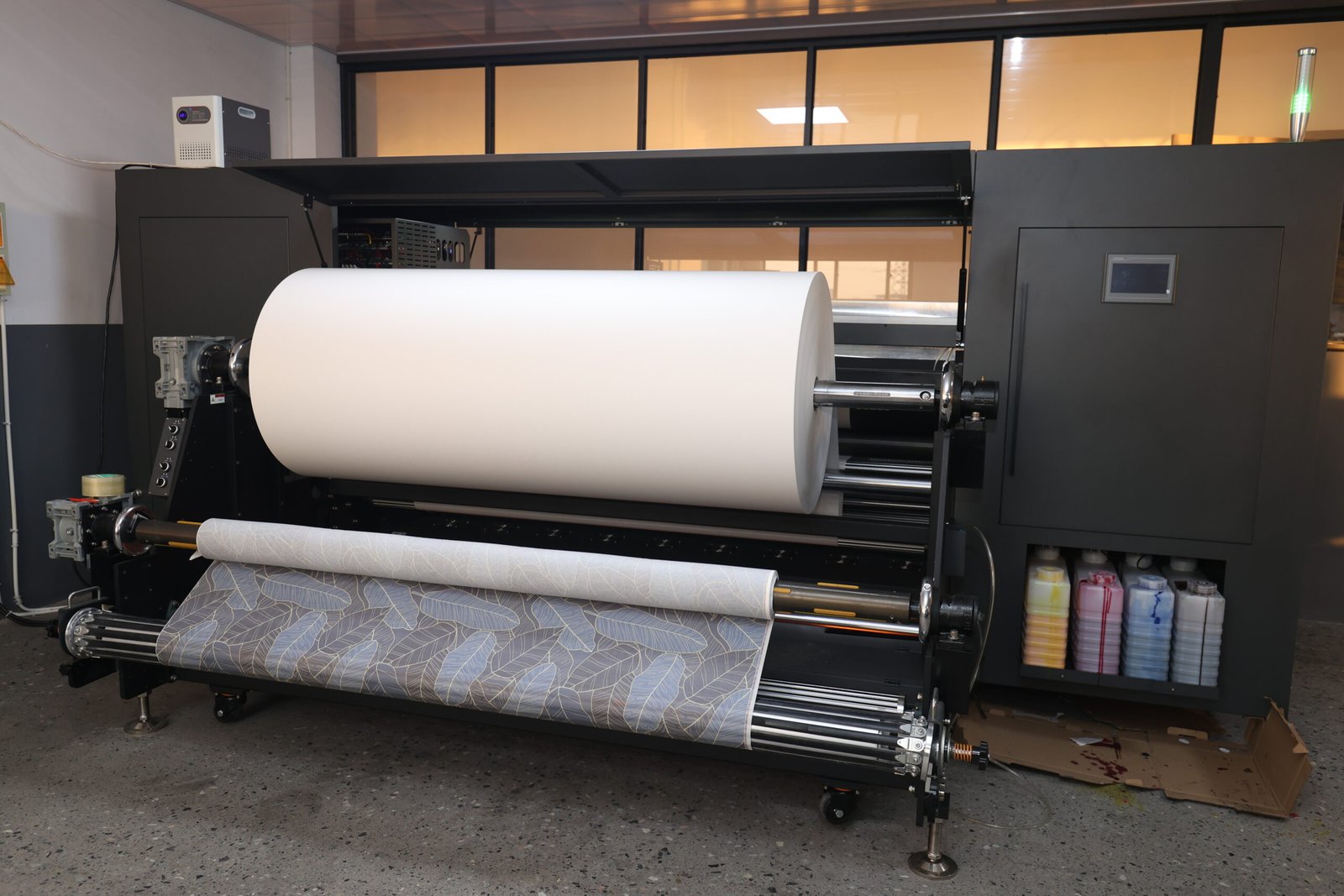
As a manufacturer with over 20 years in the textile industry, I've seen countless materials come and go. My experience comes from testing these fabrics in real-world conditions, not just looking at spec sheets. I've learned to identify the small details that result in a high-quality, long-lasting product.
The Science Behind the Weave
Oxford fabric gets its name and durability from its unique weaving style. The process involves interlacing yarns of different thicknesses, which creates a strong yet soft material. We primarily use synthetic fibers like nylon and polyester. These are essentially plastics that are melted down and spun into threads. A key advantage of these fibers is that they are naturally more resistant to water than traditional materials like cotton. This basketweave structure, combined with these modern fibers, creates a fabric that is perfectly suited for the demands of a high-quality bag.
Real-World Performance and Comparison
I once took a backpack made from our 600D Oxford fabric on a rainy hiking trip to test it myself. The water beaded up on the surface and rolled right off. At the end of the day, everything inside was completely dry. The bag held its shape even when it was packed full, but it never felt overly heavy. This balance is where Oxford fabric truly shines.
To give you a clearer picture, here is how it stacks up against other common bag materials:
| Feature | Oxford 600D | Ripstop Nylon5 | Polyester Pack Cloth |
|---|---|---|---|
| Durability | High | Very High | Medium |
| Water Resistance | Good to Excellent | Very Good | Fair to Good |
| Tear Strength | High | Excellent | Low to Medium |
| Cost | Moderate | Higher | Low |
This table shows that while Ripstop Nylon might be slightly more tear-resistant, Oxford fabric provides a more well-rounded and cost-effective solution6 for most bag applications.
What type of fabric is truly best for bags?
I’ve seen too many bags fail customers at airports and on city streets. It’s always disappointing when a seam rips or a zipper breaks. This common problem pushed me to figure out what really makes a bag last.
The "best" fabric ultimately depends on the bag's intended use. Ripstop nylon is a champion for lightweight, tear-proof gear. Polyester is a budget-friendly option for simple items. However, for all-around performance, Oxford fabric often provides the ideal balance of durability, weather resistance, and value.
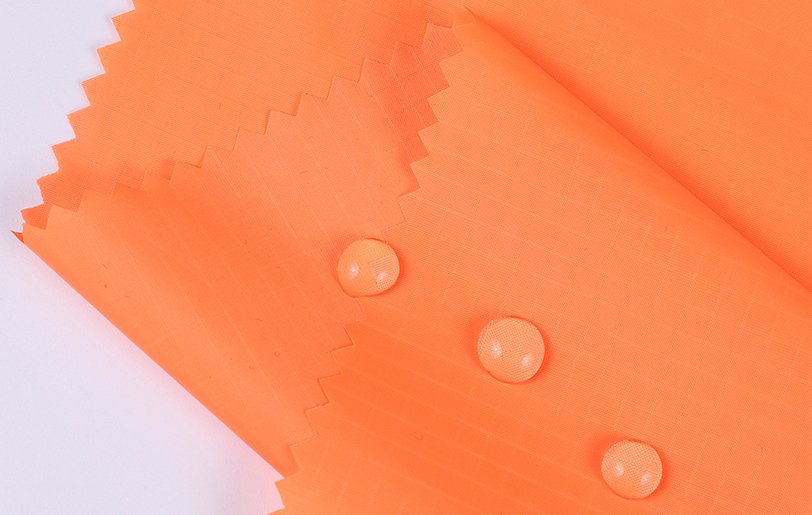
Choosing a fabric always involves a trade-off between performance, weight, and price. I've worked with them all, from basic polyester to advanced technical textiles. Let me walk you through the key differences so you can select the perfect material for your specific needs.
A Deeper Look at the Main Options
Nylon and polyester are the two giants in the world of bag fabrics. Standard nylon is strong, but a small puncture can lead to a long tear. That's why ripstop nylon was developed. It features a grid of thicker, reinforced threads woven directly into the fabric. If a puncture does occur, the rip is contained within the square, preventing further damage. This makes it fantastic for outdoor and tactical gear.
Then there is polyester, often called "pack cloth." Its biggest advantages are its low cost and its excellent ability to hold vibrant colors and prints. This is why you see it used so often for school bags and promotional items. The trade-off is durability; it simply does not stand up to abrasion and long-term use as well as nylon or Oxford fabric.
The Importance of a Good Coating
To make these fabrics fully waterproof, we apply a coating.
- PU (Polyurethane): This is the most common coating. It does a great job of blocking water but can degrade over many years, especially with exposure to heat and moisture. Proper care, like drying the bag thoroughly and storing it in a cool place, can make a PU coating7 last for over a decade.
- TPU (Thermoplastic Polyurethane): Think of this as the premium, more advanced version of PU. It's more durable, flexible, and environmentally friendly. It provides a reliable waterproof barrier without breaking down easily over time.
When I work with clients, I always start by asking about their product's end-use. For an extreme outdoor brand, a TPU-coated Ripstop Nylon is the clear choice. But for a company creating stylish, durable backpacks for daily commuters, our 600D or 900D Oxford fabric is almost always the perfect fit.
Conclusion
In the end, Oxford fabric stands out as a versatile and reliable choice for most bags. It delivers excellent strength and water resistance at a competitive price, making it a superior option to standard polyester and a strong competitor to more specialized fabrics.
Understanding water resistance in bag materials can help you choose the right fabric for your needs. ↩
Discover why nylon is a popular choice in bag manufacturing and its benefits over other materials. ↩
Find out how polyester stacks up against other materials in terms of cost, durability, and performance. ↩
Explore the basketweave technique and how it contributes to the strength and quality of fabrics. ↩
Learn about Ripstop Nylon's unique properties and its ideal applications in bag manufacturing. ↩
Find out how to balance cost and quality when selecting materials for durable bags. ↩
Learn about PU coating and its role in enhancing the waterproof capabilities of bags. ↩